1. Introduction
Poison ivy is a common and troublesome plant found throughout Clarksville, TN, and it poses a significant risk to both people and pets. Recognized for its distinctive three-leaf pattern, poison ivy can cause painful skin rashes and irritation due to an oily resin called urushiol. Whether you’re working in your garden, hiking through local wooded areas, or simply enjoying your backyard, knowing how to identify and handle poison ivy is essential for avoiding exposure.
In Middle Tennessee’s climate, poison ivy thrives in shaded, moist areas, making it especially common around residential properties in Clarksville. Not only can poison ivy be harmful to humans, but it can also affect pets, particularly dogs, who may unknowingly carry the plant’s oils on their fur. For homeowners, managing poison ivy in your yard is crucial, not just for safety but also for maintaining a healthy outdoor environment.
In this post, we’ll provide you with everything you need to know about poison ivy, from how to identify it and the best methods for removal, to effective strategies for preventing its growth. We’ll also discuss essential tips on how to protect your pets from coming into contact with poison ivy and what to do if they do. Keep reading to ensure that your yard remains safe and free of this pesky, harmful plant.
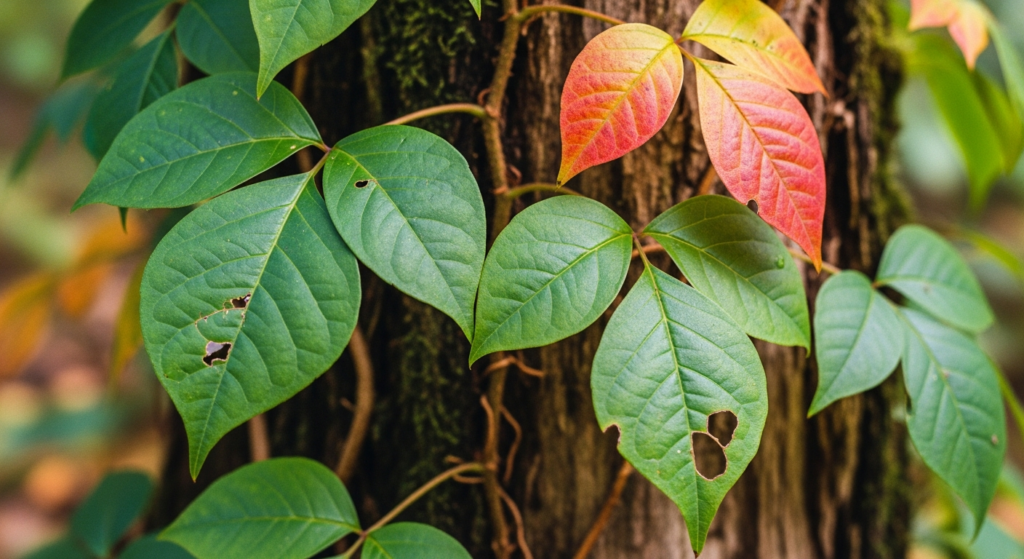
Quick takeaway: Learn how to spot poison ivy in Clarksville, remove it safely (without spreading urushiol), protect your pets, and prevent it from coming back.
2. What is Poison Ivy?
Poison ivy (Toxicodendron radicans) is a common plant found throughout Clarksville, TN, and other regions of the United States. It is infamous for causing skin irritation and allergic reactions when it comes into contact with the skin. The plant is often considered a nuisance in yards and gardens due to its ability to spread quickly and its tendency to grow in a variety of environments.
Poison ivy thrives in areas with ample sunlight and moist conditions, making it common in wooded areas, along roadsides, near water sources, and in gardens. Clarksville homeowners often see poison ivy growing along wooded property lines, fence borders, and shaded backyards. It is highly adaptable and can grow as a vine, shrub, or ground cover, depending on the surrounding conditions.
What makes poison ivy dangerous isn’t just its appearance, it’s the urushiol oil found in every part of the plant, including the leaves, stems, and roots. This oil can cause a severe allergic reaction in most people, leading to rashes, blisters, and extreme itching. Even if you don’t directly touch the plant, the oils can remain on tools, clothing, or pet fur and cause a reaction when transferred to your skin.
Unlike many other plants, poison ivy isn’t limited to specific climates or environments. You can find it in both rural and suburban areas throughout Clarksville, so being able to recognize and understand the characteristics of poison ivy is key to preventing exposure and skin irritation.
3. How to Identify Poison Ivy?
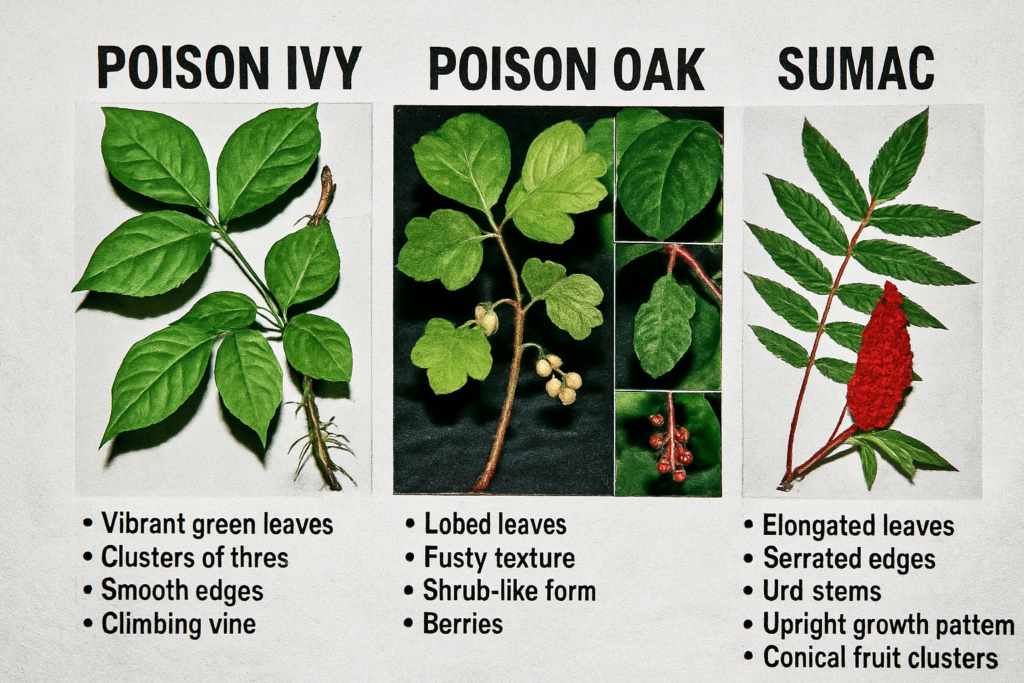
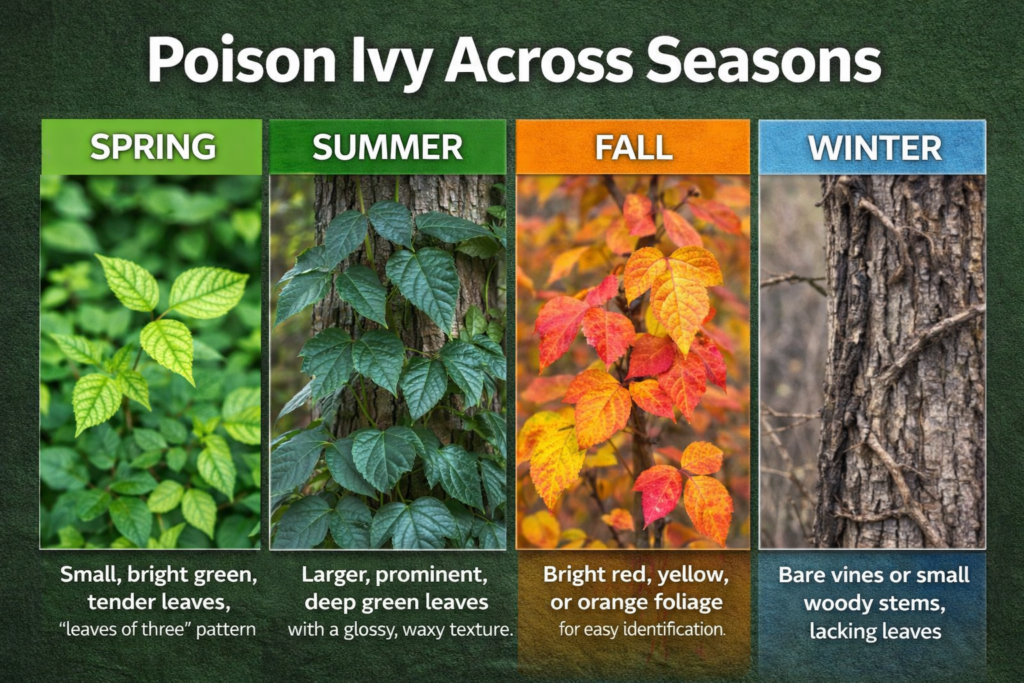
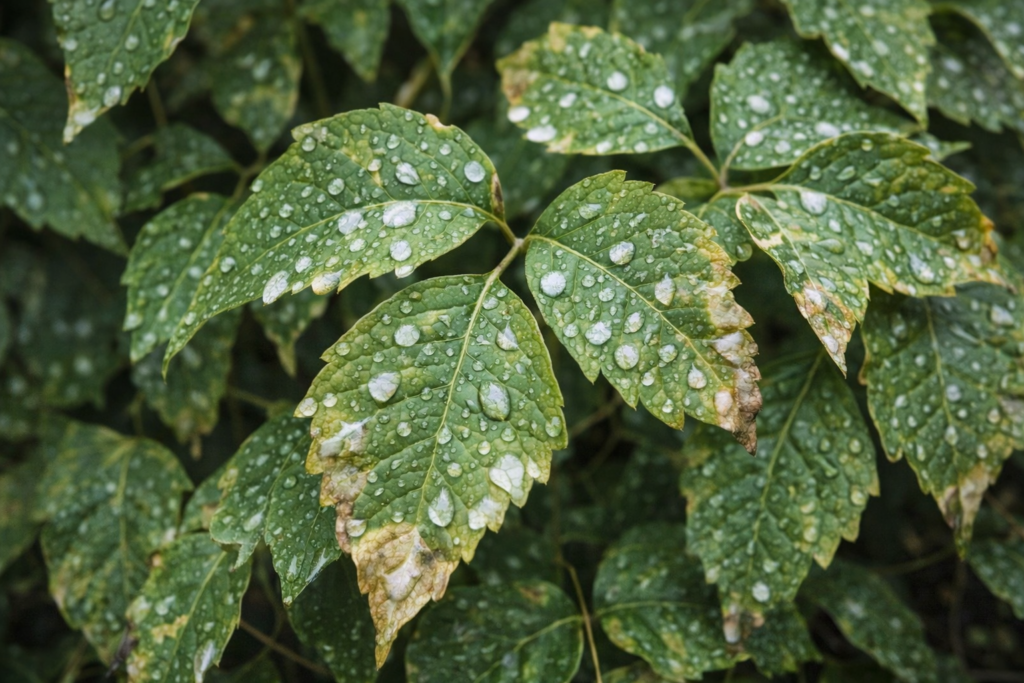
Identifying poison ivy is essential to avoid contact and prevent the painful rashes it can cause. The plant is notorious for its ability to blend into its surroundings, making it easy to mistake for other harmless plants. However, with a few key characteristics, you can easily spot poison ivy in any season. Now, let’s take a look at how Poison Ivy looks throughout different seasons so that you can identify it.
What Poison Ivy Looks Like Through the Seasons?
- Spring: In early spring, poison ivy leaves are small, bright green, and tender. They can be harder to spot during this time, but the leaves still follow the “leaves of three” pattern.
- Summer: As the plant grows, the leaves become larger and more prominent. Poison ivy’s glossy, waxy texture is most noticeable in the summer months, with the leaves taking on a deeper green shade. During this time, poison ivy may start to climb trees, fences, or other structures as a vine or spread across the ground as a shrub.
- Fall: In the fall, poison ivy leaves often turn bright red, yellow, or orange, which makes it easier to spot against the backdrop of other plants. If you’re looking for poison ivy at this time of year, the changing colors of the leaves can help you identify it more quickly.
- Winter: Poison ivy may appear as bare vines or small woody stems during the colder months, but it still poses a risk. Even without its leaves, poison ivy can cause irritation if touched.
Why Identification is Crucial?
Recognizing poison ivy is key to avoiding skin contact and the resulting rash. The urushiol oil found on the leaves, stems, and roots of poison ivy is highly potent and can cause an allergic reaction when it comes into contact with the skin. Knowing what poison ivy looks like in each season can help you stay safe while enjoying outdoor activities in Clarksville.
Common Areas Poison Ivy Grows in Clarksville:
In Clarksville, poison ivy is common in wooded areas, along hiking trails, and near water sources. Local properties with tree lines, creek beds, and shaded fence lines are especially vulnerable. It also grows in residential areas, particularly in gardens, backyards, and along fences. Be especially cautious in areas with dense vegetation, as poison ivy often blends with other plants and may go unnoticed until it’s too late.
Tips for Identifying Poison Ivy:
- The “Leaves of Three” Rule: This is the most well-known and easiest way to spot poison ivy. The plant always has three leaves in each cluster. The middle leaf is often the largest, with pointed tips.
- Glossy and Waxy Leaves: Poison ivy leaves have a shiny, waxy coating that makes them stand out, especially in sunlight.
- Growth Forms: Poison ivy can grow as a vine climbing trees and fences or as a low shrub or groundcover. Be aware of its different growth forms throughout the year.
By keeping these identification tips in mind, you’ll be better equipped to spot poison ivy and avoid coming into contact with it. Once you’re confident you’ve identified poison ivy, the next step is choosing the safest and most effective removal method for your yard.
4. Methods for Poison Ivy Removal
Removing poison ivy from your yard or garden is essential for keeping your space safe from the harmful effects of this plant. There are several methods for effectively removing poison ivy, each with its advantages and considerations. Whether you prefer a natural approach, a chemical treatment, or a combination of both, it’s important to take safety precautions when handling poison ivy to avoid skin irritation from its urushiol oil.
Method # 01: Hand-Pulling Poison Ivy (With Protective Gear)
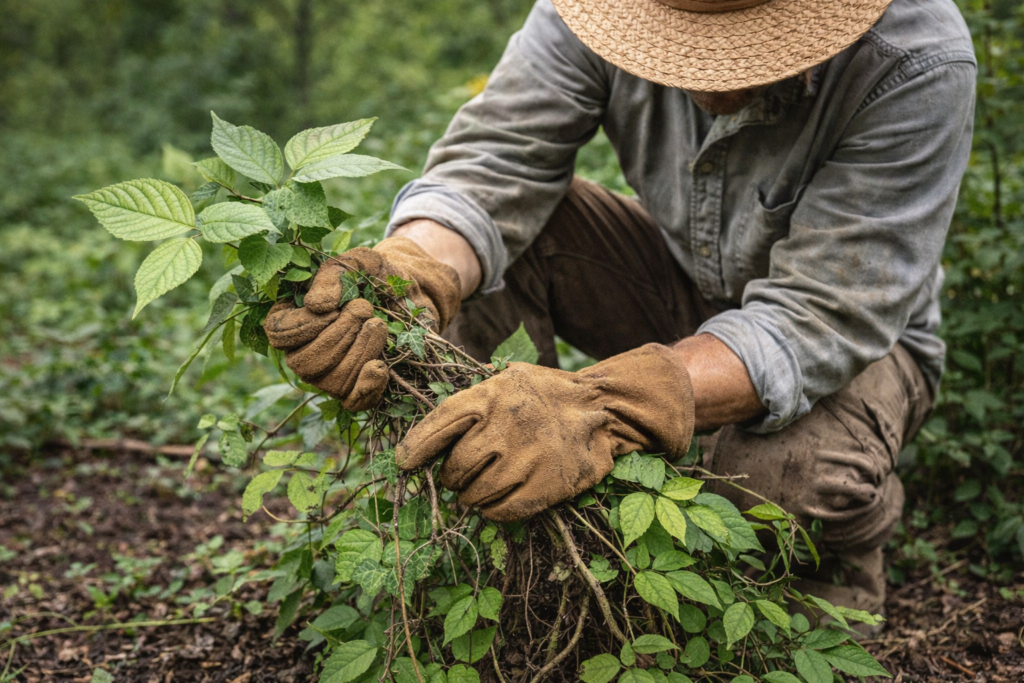
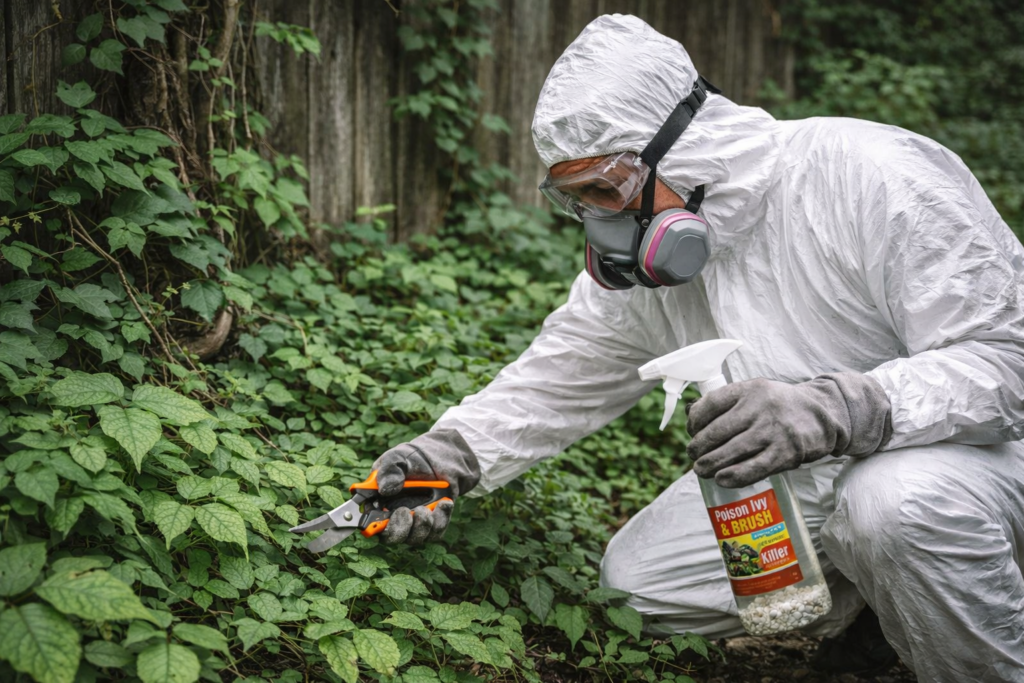
One of the simplest and most effective methods for removing poison ivy, especially for small patches, is hand-pulling. However, because poison ivy oils are potent and can cause a rash with direct contact, proper protective gear is crucial.
How to Safely Hand-Pull Poison Ivy?
- Wear gloves: Choose heavy-duty, chemical-resistant gloves (rubber or plastic).
- Cover your skin: Wear long sleeves, pants, and boots to ensure no skin is exposed.
- Pull by the roots: When pulling poison ivy by hand, grasp the plant at its base, including the roots, to prevent regrowth. Avoid breaking the plant, as urushiol can spread.
- Dispose of it properly: Place the plant in a sealed plastic bag and throw it away in the trash. Never burn poison ivy, as inhaling the smoke can cause respiratory issues.
Pros:
- Ideal for small, isolated patches.
- No chemicals involved, so it’s environmentally friendly.
Cons:
- Labor-intensive for large infestations.
- Requires careful handling to avoid exposure.
Method # 02: Herbicides for Poison Ivy Removal
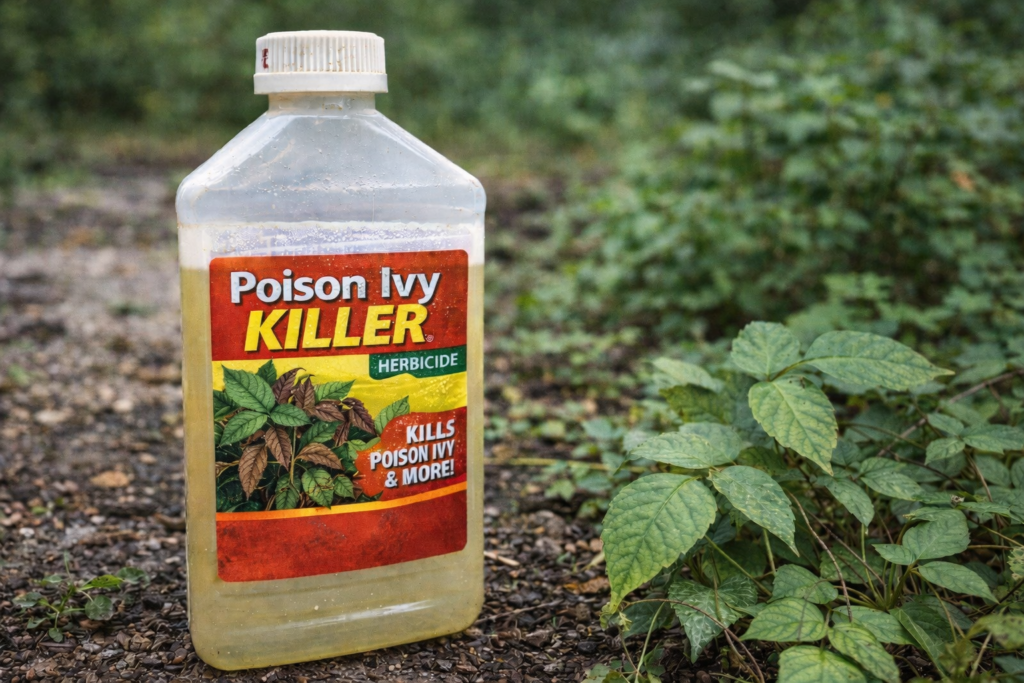
If you have a larger infestation of poison ivy or the plant is growing in difficult-to-reach areas, using herbicides can be an effective solution. The most commonly used herbicide for poison ivy removal is glyphosate, a broad-spectrum weed killer that targets the plant’s roots and stems.
How to Use Herbicides?
- Choose a glyphosate-based herbicide: Select a product labeled for poison ivy removal.
- Follow the instructions: Carefully apply the herbicide to the leaves, avoiding surrounding plants. Ensure the herbicide makes direct contact with the plant.
- Safety precautions: Wear gloves and long sleeves when handling herbicides. Avoid spraying on windy days to prevent drift.
Pros:
- Effective for larger areas and stubborn infestations.
- Long-lasting results.
Cons:
- Potential harm to surrounding plants if not applied carefully.
- Chemical exposure can be harmful if not handled properly.
- May require multiple applications.
Method # 03: Natural Methods for Poison Ivy Removal
If you’re looking for a more eco-friendly approach to removing poison ivy, natural methods can be effective, though they may require more time and effort.
Option # 01: Vinegar and Salt Solution
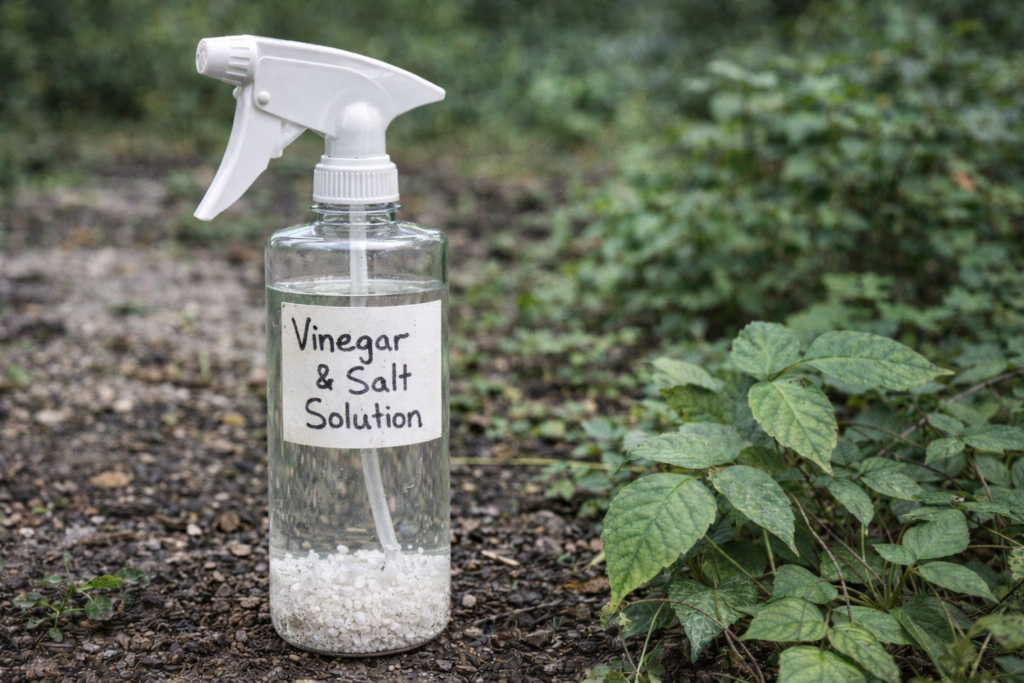
A simple mixture of vinegar, salt, and dish soap can work as a natural herbicide. The vinegar dries out the plant, while the salt disrupts its cellular structure, and the soap helps the solution adhere to the leaves.
How to Apply?
- Mix 1 gallon of vinegar, 1 cup of salt, and 1 tablespoon of dish soap in a spray bottle.
- Apply the mixture directly onto the poison ivy leaves on a dry, sunny day.
- Repeat every few days until the plant is gone.
Pros:
- Non-toxic to the environment.
- Safe for pets and wildlife when used properly.
Cons:
- May take several applications to be effective.
- Can harm nearby plants if not carefully applied.
Option # 02: Boiling Water
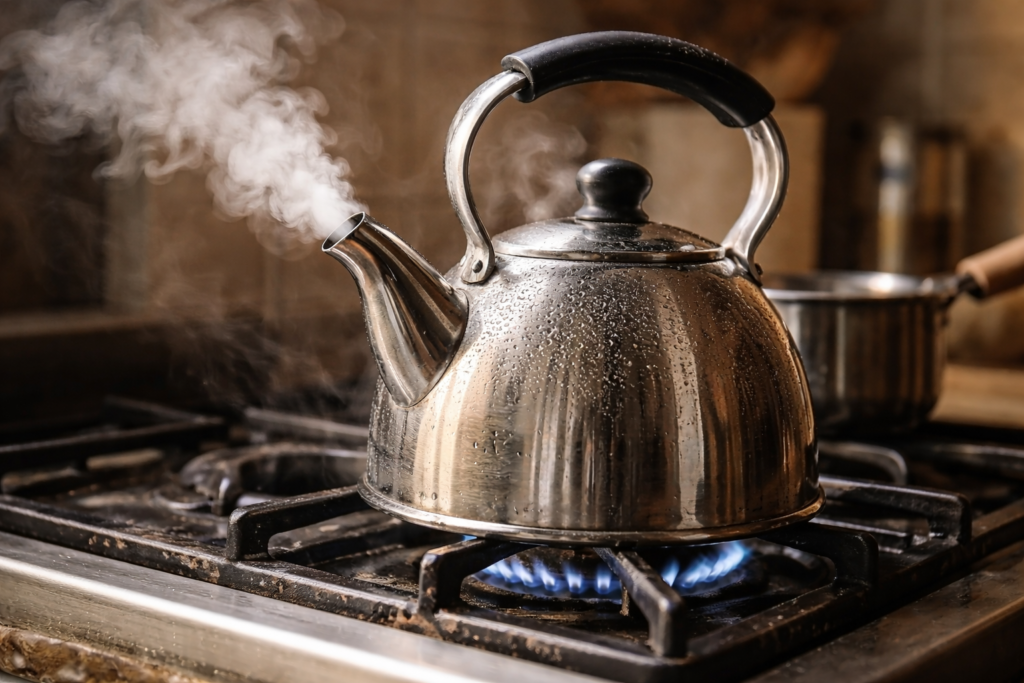
Boiling water is another natural method that can kill poison ivy, especially when applied directly to the plant’s roots and stems.
How to Apply?
Boil a large pot of water and pour it over the base of the poison ivy plant. This method is effective for small patches of poison ivy, but be cautious not to spill the hot water on surrounding plants.
Pros:
- Safe and environmentally friendly.
- Immediate results.
Cons:
- Can harm surrounding plants if not applied carefully.
- Best for small infestations or individual plants.
Method # 04: Professional Poison Ivy Removal Services
For large, widespread poison ivy infestations, or if the plant is in hard-to-reach places, hiring a professional poison ivy removal service may be your best option. Professional services can provide safe and effective removal, ensuring that the plant is eradicated without causing harm to your yard or surrounding plants through targeted weed control services. If you need assistance with poison ivy removal or any other shrub trimming and removal in Clarksville, TN, don’t hesitate to contact us at JNT Landscaping!
Pros:
- Quick and efficient for large infestations.
- Professional-grade tools and safety measures ensure the job is done safely.
Cons:
- Cost of professional services.
- Requires scheduling and potential wait times.
If poison ivy keeps coming back along your fence line or tree line, professional poison ivy removal in Clarksville, TN is often the safest long-term option.
5. Is Bleach Effective for Poison Ivy Removal?
Many homeowners search for quick, DIY solutions when dealing with poison ivy, and bleach is often one of the first options that comes to mind. While bleach can damage poison ivy plants, it is not the most effective or safest method for long-term poison ivy removal. Understanding how bleach works on poison ivy and its risks can help you make a more informed decision.
Does Bleach Kill Poison Ivy?
Bleach can burn and dry out the leaves and surface growth of poison ivy, which may make the plant appear dead within a short period of time. However, this is usually only a temporary solution. Bleach rarely penetrates deep enough into the soil to kill the plant’s root system, which means the poison ivy often grows back. This makes bleach an unreliable option if your goal is permanent poison ivy removal.
In addition, bleach does not neutralize the urushiol oil that causes allergic reactions. This means the plant can still pose a risk even after bleach is applied, and contaminated tools, soil, or surfaces may continue to cause skin irritation.
Risks of Using Bleach on Poison Ivy:
Using bleach for poison ivy removal comes with several serious risks:
- Environmental damage: Bleach kills beneficial soil microbes and can permanently damage soil quality.
- Harm to nearby plants: Bleach does not target poison ivy specifically—it will damage or kill any vegetation it touches.
- Health risks: Bleach fumes can irritate the lungs and eyes, and direct skin contact can cause chemical burns and irritation.
- Water contamination: Runoff from bleach-treated areas can contaminate groundwater and nearby water sources.
So, in short, while bleach may seem like a quick fix, it is not a safe or effective long-term solution for poison ivy removal. It poses serious risks to your health, your yard, and the environment. Most importantly, it often fails to prevent regrowth. Safer options like targeted herbicides, natural removal methods, or professional services provide better, longer-lasting results without the harmful side effects.
6. Pet Safety: Can Dogs Get Poison Ivy?
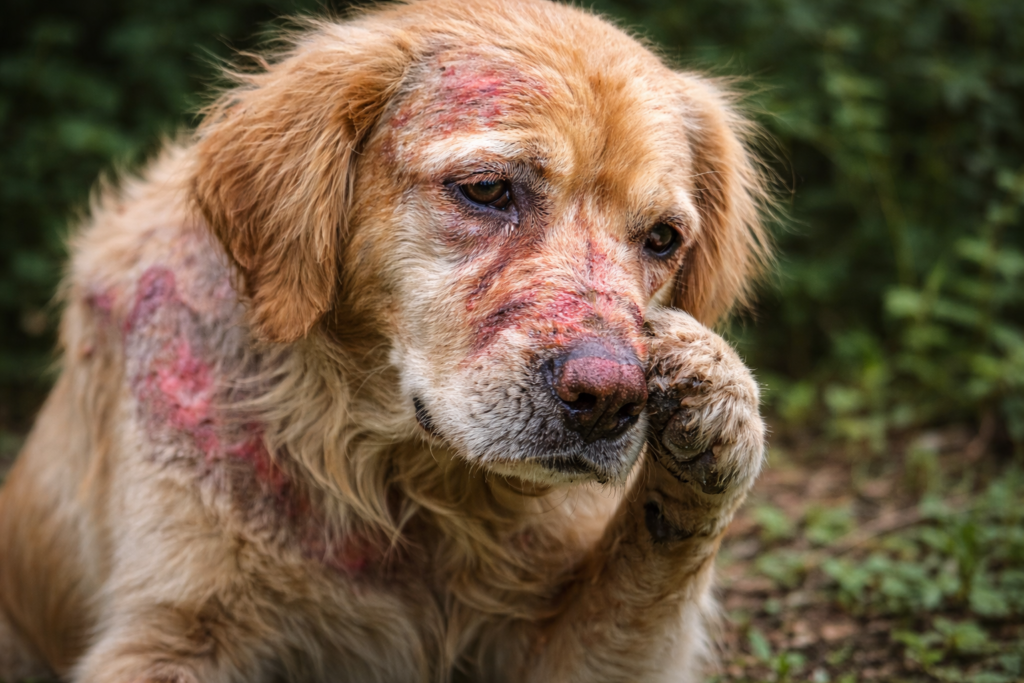
Yes, dogs can be affected by poison ivy, and it’s an important concern for pet owners in Clarksville, TN. While dogs don’t usually develop the same severe skin reactions as humans, they can still carry the dangerous urushiol oil on their fur, paws, and skin after coming into contact with the plant. This makes poison ivy not only a risk to pets, but also to the people who interact with them afterward.
How Poison Ivy Affects Pets?
Unlike humans, most dogs have fur that protects their skin from direct contact, so visible rashes are less common. However, areas with thin fur, such as the belly, nose, ears, and paws can still be affected. More importantly, dogs can act as carriers of poison ivy oil. When they brush against poison ivy plants, the urushiol oil sticks to their coat and can easily transfer to furniture, carpets, bedding, and human skin. This means that even if your dog shows no symptoms, you could still develop a rash after petting them.
Symptoms of Poison Ivy Exposure in Pets:
Signs of poison ivy exposure in dogs may include:
- Excessive scratching or licking
- Redness or irritation on the skin
- Swelling around the face, paws, or belly
- Small rashes or bumps in sensitive areas
- General discomfort or restlessness
If symptoms are severe or persistent, it’s important to contact your veterinarian for proper treatment.
How to Safely Remove Poison Ivy Oil from Your Dog?
If you suspect your dog has been exposed to poison ivy, act quickly:
- Bathe your dog immediately using pet-safe shampoo and warm water.
- Pay special attention to the paws, belly, and legs, where contact is most likely.
- Wear gloves while washing your dog to protect your own skin.
- Wash any collars, leashes, bedding, and blankets that may have been contaminated.
- Clean surfaces your dog has touched, such as furniture and floors.
Prevention Tips for Pet Safety:
- Keep pets away from wooded areas, dense vegetation, and overgrown sections of the yard.
- Regularly inspect your yard for poison ivy growth.
- Consider professional poison ivy removal if the plant is present in areas your pets frequently explore.
Poison ivy and pets are a risky combination. Even if your dog doesn’t show symptoms, they can still spread urushiol oil and put your family at risk. Taking proactive steps to control poison ivy in your yard and acting quickly after exposure are key to keeping both your pets and household safe.
7. How to Prevent Poison Ivy from Growing in Your Yard?
Preventing poison ivy from taking over your yard is far easier than dealing with a full-blown infestation. With the right landscaping strategies, plant choices, and regular maintenance, you can significantly reduce the chances of poison ivy growing and spreading on your property. Effective poison ivy prevention starts with creating an environment where the plant simply can’t thrive.
Smart Landscaping Tips to Stop Poison Ivy Growth:
One of the most effective ways to prevent poison ivy is through proper landscaping design and ground management:
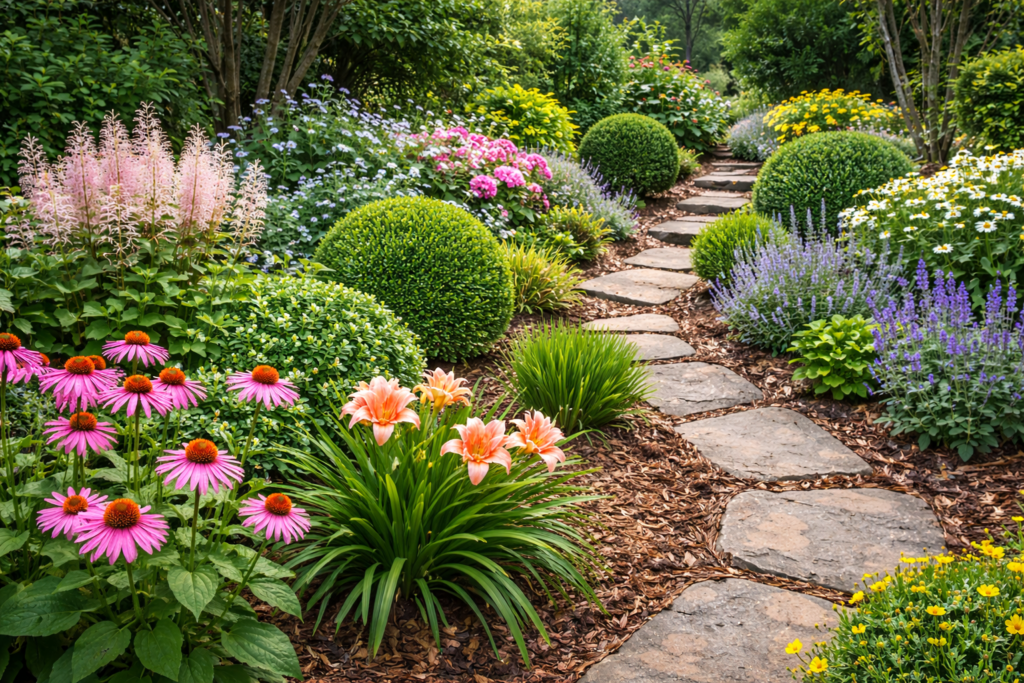
- Mulching: Applying thick layers of mulch in garden beds and along fence lines blocks sunlight and prevents poison ivy seeds and roots from establishing. Organic mulch also improves soil health while acting as a natural weed barrier.
- Weed barriers and landscape fabric: Installing weed barriers beneath mulch or gravel creates a physical block that stops poison ivy from breaking through the soil surface.
- Clear property edges: Poison ivy often spreads from wooded borders, fence lines, and property edges. Keeping these areas clean and trimmed reduces the risk of invasion into your main yard space.
These techniques are highly effective for long-term poison ivy prevention and help create a healthier, cleaner landscape overall.
Best Plants to Use in Poison Ivy-Prone Areas:
Strategic planting can naturally discourage poison ivy growth. Dense, healthy vegetation limits space and sunlight, making it harder for poison ivy to establish roots. Good plant options include:
- Native ground covers that spread quickly and outcompete weeds
- Low-growing shrubs for shaded areas
- Hardy grasses that create thick root systems
- Dense ornamental plants that limit open soil exposure
By filling empty spaces in your landscape, you reduce the opportunity for poison ivy to grow. This natural competition method is one of the most effective long-term solutions for landscaping to prevent poison ivy.
Regular Yard Maintenance is Key:
Consistent yard maintenance is one of the most powerful tools for preventing poison ivy:
- Routine mowing to stop young plants from maturing
- Trimming fence lines and borders where poison ivy often starts
- Removing debris and overgrowth where vines can hide
- Seasonal inspections of wooded edges and shaded areas
Early detection makes removal much easier and prevents poison ivy from becoming established.
Long-Term Prevention Strategy:
True prevention isn’t a one-time fix; it’s an ongoing process. A combination of proper landscaping, smart planting choices, and regular maintenance creates a yard environment where poison ivy struggles to survive.
If poison ivy keeps returning despite your efforts, professional lawn maintenance and poison ivy control services can provide long-term solutions using targeted treatments and preventative landscaping techniques.
Preventing poison ivy in your yard is about being proactive, not reactive. With proper landscaping, smart plant selection, and consistent maintenance, you can protect your outdoor space before poison ivy becomes a problem. Investing in prevention saves time, money, and risk while keeping your yard safe for your family and pets.
8. How to Safely Dispose of Poison Ivy?
Removing poison ivy from your yard is only half the job; safe disposal is just as important. Improper handling and disposal can lead to continued exposure, accidental contamination, and serious health risks. Because poison ivy contains urushiol oil in every part of the plant, it must be handled with care even after it has been removed from the ground.
Proper Poison Ivy Disposal Methods:
To ensure safe poison ivy disposal, follow these essential steps:
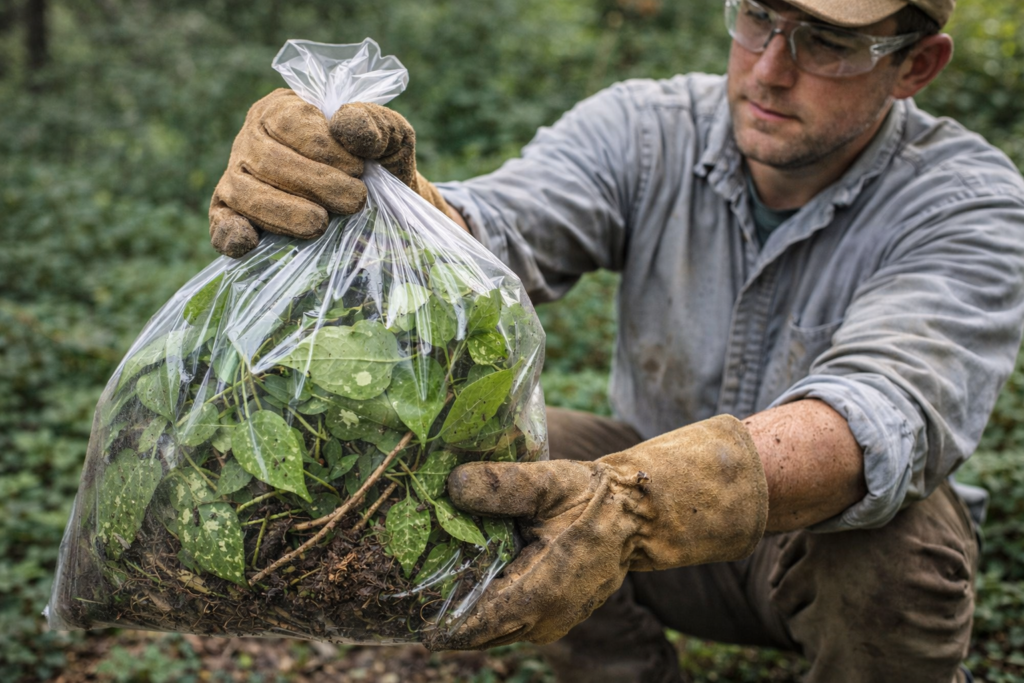
- Bag it securely: Place all removed poison ivy plants into heavy-duty plastic bags. Seal the bags tightly to prevent urushiol oil from spreading.
- Double-bag if possible: For added protection, place the sealed bag into a second plastic bag.
- Dispose in regular trash: Poison ivy can safely be thrown away with household trash when properly bagged and sealed.
- Never compost poison ivy: Composting does not break down urushiol oil and can contaminate soil and future garden use.
These steps help prevent cross-contamination and protect anyone who may come into contact with the waste later.
Cleaning Contaminated Tools and Equipment:
Urushiol oil can remain active on surfaces for long periods, making tool cleaning a critical part of poison ivy waste disposal:
- Wash all tools with hot water and soap
- Use rubbing alcohol to break down oil residue on metal surfaces
- Clean gloves, boots, and clothing separately in hot water
- Wipe down any surfaces that may have come into contact with the plant
Proper cleaning prevents re-exposure and protects others from accidental contact.
Why You Should Never Burn Poison Ivy?
Burning poison ivy is extremely dangerous and should never be done. When poison ivy is burned, urushiol oil becomes airborne in the smoke. Inhaling this smoke can cause:
- Severe respiratory irritation
- Internal lung inflammation
- Throat and airway swelling
- Serious medical emergencies
This is one of the most dangerous mistakes homeowners make when trying to dispose of poison ivy and can result in hospitalization.
Professional Disposal for Large Infestations:
If you’re dealing with a large volume of poison ivy or widespread contamination, professional poison ivy removal services are often the safest option. Professionals like JNT Landscaping use controlled disposal methods and proper protective equipment to ensure safe handling, environmental protection, and complete yard cleanup.
9. Frequently Asked Questions (FAQs)
Here are answers to some of the most common poison ivy removal questions homeowners in Clarksville, TN ask. These quick, clear responses will help you stay safe, informed, and confident when dealing with poison ivy.